
How To View The ‘Best Comet Of 2025′ And A Second Comet As They Peak Over Minnesota
We're being treated to not one, but two comet shows right now!
Where something is in space can offer different (or nonexistent) viewing opportunities, and we here in Minnesota are able to catch a glimpse of both of these comets as they continue to get brighter in the sky.
What's exciting is that both of these comets are expected to reach their peak visibility around the same time later this month!
Here's what you need to know if you want to view both of these comets.
Viewing Comet SWAN (C/2025 R2) From Minnesota
This is the trickier of the two, getting less attention because it isn't expected to get as bright as the other one in our night sky.
Comet SWAN is heading away from the sun, passing by Earth on its way back out into deeper space. It is expected to be nearest to our planet around October 19-20.
READ MORE: When Is The Earliest Minnesota Has Gotten Measurable Snow?
Astro Bob King made an appearance in a view on the EarthSky YouTube channel to explain that this comet likely won't get bright enough to see with the naked eye, but with a little help can be seen.
To see it, you'll want to get away from city lights to some dark sky conditions and use binoculars or a telescope to view it.

To find it in the sky, you'll want to look to the southwest horizon. The best viewing time is about 45 minutes to an hour after sunset as the sky gets dark. There's a window of a few hours each night, as it will head below the horizon as the night goes on.
As we go through the rest of October, Comet SWAN will appear higher in the sky after sunset, sinking below the horizon after 11 pm. It will also continue to dim with each passing day after that peak closeness date.
Viewing Comet Lemmon (C/2025 A6) From Minnesota
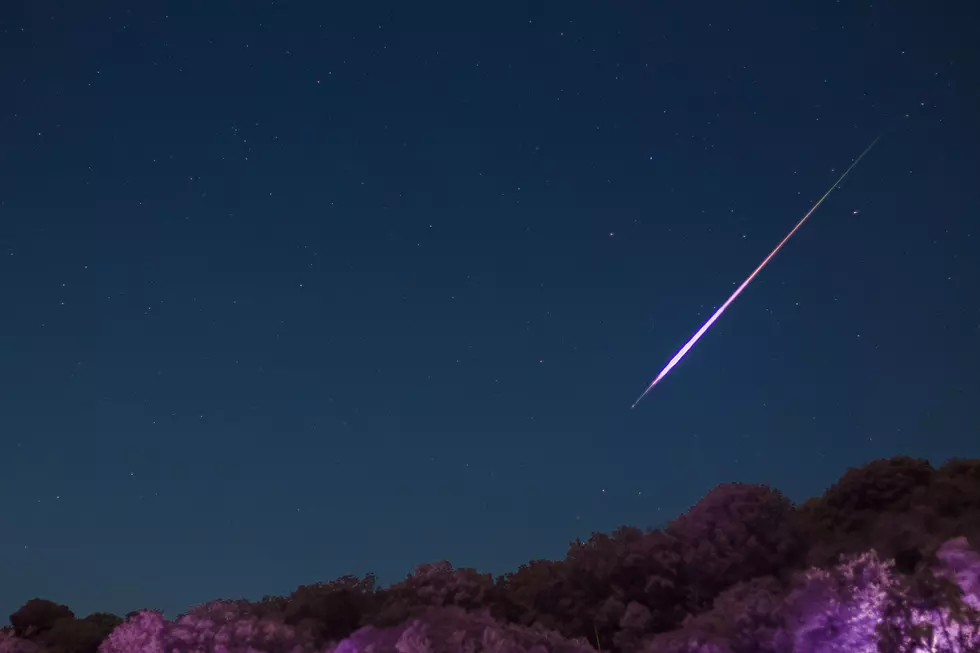
This comet offers better viewing opportunities for us here in Minnesota, also set to reach its closest distance to Earth in the same week. Comet Lemmon (photo seen at the top of this article) is expected to be closest on October 21, with peak visibility for at least a few days after that date.
Comet Lemmon is still heading toward the sun, so we're getting a look at it as it heads inward to the center of the Solar System.
Astro Bob King shared a social media post about this comet, mentioning that it is possible you might be able to see this comet with the naked eye during its peak viewing, as long as you're away from city lights. For your best viewing, a pair of binoculars or a telescope can be helpful to get a better view.

To find this comet, you should look to the northwest about 90 minutes after sunset to make sure you have a good, dark sky for viewing.
It can be spotted below and to the left of the Big Dipper, appearing higher in the sky and more directly to the left of the Big Dipper with each passing day through the month of October.
Astro Bob created a graphic (below) that shows the position around 8 pm each night for the next number of nights, with the number next to each dot indicating the date you'll be able to see the comet at the corresponding location.
After our peak viewing opportunities in the coming days, both of these comets will slowly fade from view as they continue their journeys through space. So get out and enjoy them while you can!
Funniest, Quirkiest, And Most Awesome Minnesota Township Names
Gallery Credit: Nick Cooper
More From MIX 108